


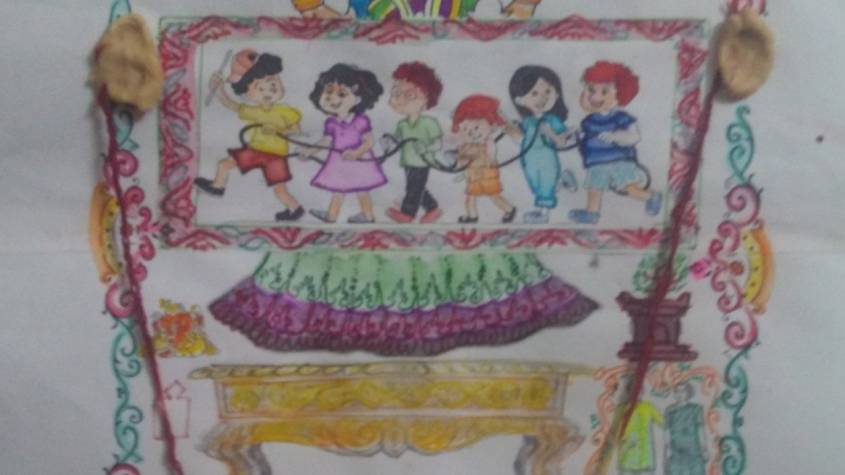
Ahoi Ashtami 2026 falls on Sunday, 1 November 2026. In New Delhi the puja muhurat is from 5:36 PM to 6:54 PM, and the stars can be sighted at about 6:00 PM, which is when most mothers break the fast. Moonrise is much later, at 11:40 PM. Below are the tithi timings, a city-wise table, what the day involves and how to keep a nirjala fast safely.
The New Delhi timings come from Drik Panchang. Different panchangs can differ by a minute or two, so check your family’s calendar or your local temple if you follow a specific tradition.
Ahoi Ashtami 2026 date and muhurat
| Detail | Timing (New Delhi) |
|---|---|
| Ahoi Ashtami date | Sunday, 1 November 2026 |
| Puja muhurat | 5:36 PM to 6:54 PM (1 hour 18 minutes) |
| Evening star sighting | 6:00 PM |
| Moonrise | 11:40 PM |
| Ashtami tithi begins | 2:51 PM, 1 November 2026 |
| Ashtami tithi ends | 1:10 PM, 2 November 2026 |
Ahoi Ashtami falls on the Krishna Paksha Ashtami of Kartik in the Purnimanta calendar used across most of North India. In the Amanta calendar used in Gujarat, Maharashtra and the south, the same day falls in Ashwin.
Drik Panchang notes that the fast usually comes about four days after Karwa Chauth and around eight days before the Diwali puja. That fits 2026: Karwa Chauth is on Thursday, 29 October, and Lakshmi Puja is on Sunday, 8 November.
Ahoi Ashtami 2026 timings in major cities
Star-sighting time depends on when the sun sets, so it varies across the country. The table below uses the city-wise timings published by Janam Kundli Jyotish. Its Delhi figures are within a minute of Drik Panchang’s.
| City | Puja muhurat | Star sighting | Moonrise |
|---|---|---|---|
| Delhi | 5:37 PM – 6:54 PM | 6:01 PM | 11:40 PM |
| Mumbai | 6:06 PM – 7:20 PM | 6:28 PM | 12:15 AM (2 Nov) |
| Kolkata | 5:00 PM – 6:15 PM | 5:22 PM | 11:05 PM |
| Chennai | 5:43 PM – 6:56 PM | 6:04 PM | 11:54 PM |
| Bengaluru | 5:54 PM – 7:07 PM | 6:15 PM | 12:06 AM (2 Nov) |
| Hyderabad | 5:45 PM – 6:59 PM | 6:07 PM | 11:55 PM |
| Ahmedabad | 6:02 PM – 7:18 PM | 6:25 PM | 12:10 AM (2 Nov) |
| Pune | 6:03 PM – 7:17 PM | 6:24 PM | 12:12 AM (2 Nov) |
| Jaipur | 5:45 PM – 7:01 PM | 6:08 PM | 11:49 PM |
| Lucknow | 5:24 PM – 6:41 PM | 5:47 PM | 11:28 PM |
| Patna | 5:09 PM – 6:25 PM | 5:32 PM | 11:13 PM |
| Chandigarh | 5:36 PM – 6:53 PM | 6:00 PM | 11:38 PM |
What Ahoi Ashtami is and why mothers keep the fast
Ahoi Ashtami is a fast kept by mothers for the long life and well-being of their children. Drik Panchang explains that it was traditionally kept for sons, but today most families keep it for all their children, daughters and sons alike. Like Karwa Chauth, it is most widely observed in North India. It is also called Ahoi Aathe, because it falls on the eighth day (ashtami) of the lunar fortnight.
The vrat katha recited on the day is the story of a mother and her seven sons. While digging soil near her home, she accidentally kills a cub of a porcupine (syahu), loses her sons to the resulting curse, and gets them back through devotion to Ahoi Mata. This is why the Ahoi Mata image drawn or hung for the puja often shows a porcupine and its young alongside the goddess.
Star sighting or moonrise: which one to wait for?
Most women break the fast after seeing the stars at dusk. Some wait for the moon, but on Ahoi Ashtami the moon rises close to midnight, at 11:40 PM in Delhi and after midnight in Mumbai, Pune, Ahmedabad and Bengaluru, which makes that a far longer fast. Drik Panchang points out that waiting for the moon can be hard because it rises so late. Families usually follow whatever their elders have always done.
Radha Kund snan on the same day
Ahoi Ashtami also coincides with the Govardhana Radha Kunda Snan. Devotees take a holy dip in Radha Kund near Govardhan in Mathura district on Kartik Krishna Ashtami. According to Drik Panchang, the dip is traditionally believed to help couples who are hoping for a child.
How the Ahoi Ashtami puja is done
Practices vary from family to family, but the puja usually follows this pattern:
- Morning sankalp: after bathing, the mother takes a vow to keep the fast for her children. Many keep it nirjala (without water).
- Ahoi Mata image: in the afternoon, the goddess is drawn on a wall with geru (red ochre) or a printed Ahoi Mata calendar is put up. The image usually includes the seven sons and the syahu.
- Kalash and offerings: a water-filled kalash or karwa is placed near the image, along with food offerings (bhog) prepared at home. The exact dishes differ from family to family.
- Katha and aarti: during the evening muhurat, the women of the family listen to the Ahoi Ashtami katha together and sing the Ahoi Mata aarti.
- Arghya to the stars: once the stars are visible, water is offered from the kalash and the fast is broken.
If you’re planning the rest of the season, our 2026-27 festival calendar lists the big dates through to spring, and the Chhath Puja 2026 dates come up soon after Diwali.
Keeping a nirjala fast safely
A full day without water is demanding, especially for women who are pregnant, breastfeeding, diabetic or on regular medication. The same precautions we covered in our Navratri fasting guide apply here.
- Eat a proper sargi-style meal before sunrise, with fruit, curd, dry fruits and some complex carbohydrates.
- Drink plenty of water the evening before, and avoid salty or fried food at that meal.
- Stay out of the sun and keep cooking and housework light in the afternoon.
- When you break the fast, start with water and something light before a full meal. Our list of healthy everyday foods has easy ideas.
- If you’re pregnant or have a medical condition, talk to your doctor first. Many families accept a phalahar fast (fruit and milk) in those cases.
A week later comes Kali Puja on 8 November, worshipped at midnight in Bengal and the east.
Frequently asked questions
When is Ahoi Ashtami in 2026?
Ahoi Ashtami is on Sunday, 1 November 2026. The Ashtami tithi runs from 2:51 PM on 1 November to 1:10 PM on 2 November (New Delhi, per Drik Panchang).
What is the Ahoi Ashtami 2026 puja time?
In New Delhi, the puja muhurat is 5:36 PM to 6:54 PM. Other cities differ by a few minutes, so check the city table above.
What time will the stars be visible on Ahoi Ashtami 2026?
Around 6:00 PM in Delhi. It is earlier in eastern cities such as Kolkata (5:22 PM) and Patna (5:32 PM), and later in the west, including Mumbai (6:28 PM) and Ahmedabad (6:25 PM).
What is the moonrise time on Ahoi Ashtami 2026?
11:40 PM in New Delhi. In Mumbai, Pune, Ahmedabad and Bengaluru the moon rises just after midnight, on 2 November.
How many days after Karwa Chauth is Ahoi Ashtami?
Usually four days. In 2026, Karwa Chauth is on 29 October and Ahoi Ashtami on 1 November.
Featured image: आशीष भटनागर / Wikimedia Commons, CC BY-SA 3.0.