

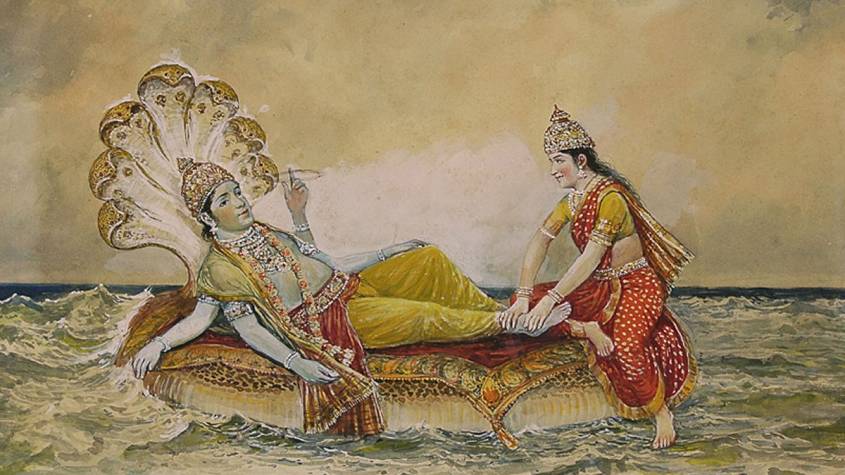
Utpanna Ekadashi 2026 falls on Friday, 4 December 2026. For New Delhi, the Ekadashi tithi begins at 11:03 PM on 3 December and ends at 11:44 PM on 4 December, and the fast is broken (parana) on Saturday, 5 December, between 6:59 AM and 9:04 AM, according to Drik Panchang.
Tradition links this Ekadashi to the birth of Goddess Ekadashi herself, which is why people who want to start the twice-monthly Ekadashi vrat often begin here. Below are the timings, the story, the fasting rules and the Ekadashi dates left in 2026.
When is Utpanna Ekadashi 2026?
Utpanna Ekadashi is on Friday, 4 December 2026. It comes about two weeks after Dev Uthani Ekadashi on 20 November, and it is the next Ekadashi in the cycle after it.
| Particular | Details (New Delhi) |
|---|---|
| Fasting day | Friday, 4 December 2026 |
| Ekadashi tithi begins | 11:03 PM, 3 December 2026 |
| Ekadashi tithi ends | 11:44 PM, 4 December 2026 |
| Parana (break the fast) | 6:59 AM to 9:04 AM, Saturday, 5 December 2026 |
| Dwadashi ends | 12:51 AM, 6 December 2026 |
| Lunar date | Margashirsha Krishna Ekadashi (Purnimanta); Kartika Krishna Ekadashi (Amanta) |
| Deity | Lord Vishnu and Goddess Ekadashi |
The month name differs only because North India’s Purnimanta calendar and the Amanta calendar used in the West and South count months differently. The date is the same. Timings above are for New Delhi and shift by a few minutes from city to city, since the parana depends on local sunrise. Check Drik Panchang for your own city, or follow your family panchang.
What is the Utpanna Ekadashi 2026 parana time?
In New Delhi, the parana window is 6:59 AM to 9:04 AM on Saturday, 5 December 2026. That is a comfortable morning slot, unlike Dev Uthani Ekadashi this year, when the parana was pushed into the afternoon.
Drik Panchang sets out the general rules. The fast is broken after sunrise on the next day and within Dwadashi tithi. It should not be broken during Hari Vasara, the first quarter of Dwadashi, and the early morning (Pratahkal) is the preferred time, with midday best avoided. With Dwadashi running until 12:51 AM on 6 December, there is plenty of time on the 5th.
Utpanna Ekadashi story: how Goddess Ekadashi was born
The word “utpanna” means “arisen” or “born”, and the day is treated as the birth anniversary of Ekadashi. The story is usually told as part of the Ekadashi mahatmya, which tradition attributes to the Padma Purana. Drik Panchang’s version of the Utpanna Ekadashi vrat katha runs like this.
In the Satya Yuga, a demon named Mura grew so powerful that he defeated Indra and the other gods and took over Indra’s realm. The gods went to Shiva, who sent them to Vishnu. Vishnu destroyed Mura’s army at his capital, Chandravati, but neither the Sudarshan Chakra nor his mace could harm Mura himself. The fight turned into hand-to-hand combat that, the story says, went on for 10,000 years.
Vishnu finally left the battle and went to rest in the Hemvati cave at Badrikashram. Mura followed and found him asleep. At that moment a radiant young woman, armed and fierce, emerged from Vishnu’s body and killed the demon. When Vishnu woke, she told him she was born of his own Yoga Maya. Pleased, he offered her a boon. She asked that anyone who fasted for her be freed of sin. Vishnu named her Ekadashi, since she appeared on the eleventh tithi, and declared that no observance would please him more than the Ekadashi fast.
Why is Utpanna Ekadashi called the first Ekadashi?
Because tradition holds that Goddess Ekadashi was born on this day, it is seen as the starting point of the vrat. Drik Panchang notes that devotees who pledge to keep Ekadashi fasts through the year begin from Utpanna Ekadashi.
So if you plan to keep all 24 Ekadashis of the year, Utpanna Ekadashi 2026 is the customary place to start, with the sankalp (vow) taken on the morning of 4 December.
How to observe the Utpanna Ekadashi fast
The fast runs from sunrise on Ekadashi to the parana on Dwadashi, with all grains avoided. Drik Panchang describes the vrat as spanning three days: a single meal in the afternoon of the day before (Dashami), a strict fast on Ekadashi, and the fast-breaking after sunrise on Dwadashi.
The type of fast is chosen at the time of the sankalp, according to your health and willpower. Drik Panchang lists four traditional forms:
- Jalahar: water only. A stricter nirjala fast, without even water, is also kept by some devotees, though it is most closely tied to Nirjala Ekadashi in Jyeshtha.
- Ksheerbhoji: milk and milk products.
- Phalahari: fruits and nuts only, such as banana, grapes, mango, almonds and pistachios, without leafy vegetables.
- Naktabhoji: one meal just before sunset, with no grains or pulses.
What can you eat on Ekadashi?
Common phalahar foods are sabudana, singhada (water chestnut), shakarkandi (sweet potato), potatoes and groundnuts, along with fruit, milk and nuts. Rice, wheat, pulses, beans and other grains are avoided by all who keep the vrat.
Kuttu atta (buckwheat) and samak rice are popular fasting foods, but Drik Panchang calls them debatable pseudo-grains and suggests avoiding them on Ekadashi.
Elderly people, pregnant women, diabetics and anyone on medication should keep a lighter fast or check with a doctor first, and break it gently with fruit or a light meal.
Puja on Utpanna Ekadashi
Most homes worship Vishnu in the morning with tulsi leaves, flowers, incense, a ghee lamp and fruit, read the Utpanna Ekadashi katha, and recite the 108 or 1,000 names of Vishnu.
Remaining Ekadashi dates in 2026
Here are the Ekadashi dates left in 2026 for New Delhi, as listed on Drik Panchang’s 2026 Ekadashi calendar:
| Ekadashi | Date | Tithi (New Delhi) | Parana |
|---|---|---|---|
| Devutthana (Dev Uthani) Ekadashi | Friday, 20 November | 7:15 AM, 20 Nov to 6:31 AM, 21 Nov | 21 November (afternoon) |
| Utpanna Ekadashi | Friday, 4 December | 11:03 PM, 3 Dec to 11:44 PM, 4 Dec | 6:59 AM to 9:04 AM, 5 Dec |
| Mokshada Ekadashi (Gita Jayanti) | Sunday, 20 December | 10:09 PM, 19 Dec to 8:14 PM, 20 Dec | 7:10 AM to 9:13 AM, 21 Dec |
Mokshada Ekadashi on 20 December is also Gita Jayanti, and Drik lists it as Vaikuntha Ekadashi in 2026 as well. It is the closing high point of the International Gita Mahotsav in Kurukshetra. Between the two Ekadashis comes Vivah Panchami on 14 December, the festival of Rama and Sita’s wedding.
Is Utpanna Ekadashi a holiday?
No, Utpanna Ekadashi 2026 is not a public holiday; it is a fasting day kept at home and in Vishnu temples. If you are planning travel or temple visits around the season, our India festival calendar for 2026-27 lists the other big dates.
Frequently asked questions
Is Utpanna Ekadashi on 4 or 5 December 2026?
The fast is on Friday, 4 December 2026. The tithi starts late on 3 December, but the fast is kept on the 4th, and the parana is on the morning of 5 December.
Can I start Ekadashi fasting from Utpanna Ekadashi?
Yes. By tradition this is the day to begin, since Goddess Ekadashi is said to have been born on it. Take the sankalp in the morning and decide which type of fast you will keep.
Sources: Drik Panchang, Utpanna Ekadashi 2026 date and parana time for New Delhi; Drik Panchang, Mokshada Ekadashi 2026; Drik Panchang, Gita Jayanti 2026; Ekadashi (Wikipedia). Timings vary by city, so confirm them for your location before you begin the fast.
Featured image: M. V. Dhurandhar / Wikimedia Commons, public domain. Vishnu resting on the serpent Shesha with Lakshmi; illustrative.
Kaal Bhairav Jayanti 2026: Date, Ashtami Timings and Kalashtami List
Kaal Bhairav Jayanti 2026 falls on Tuesday, 1 December 2026. The day marks the appearance …
Why 71% of Indian Homebuyers Are Now Choosing ₹1 Crore+ Homes in 2026
There’s a number floating around in property circles right now that genuinely stops people …