

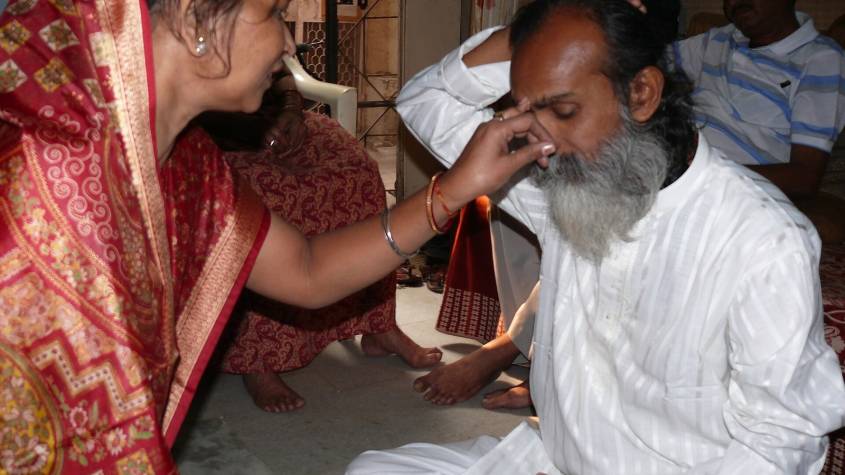
Bhai Dooj 2026 falls on Wednesday, 11 November 2026, the last day of the Diwali festival week. According to Drik Panchang, the afternoon (Aparahna) window for the tilak ceremony in New Delhi runs from 1:10 PM to 3:20 PM, a span of 2 hours 10 minutes. Below are the tithi timings, the muhurat in 11 major Indian cities, what the ritual involves, and a few practical tips for families planning around a mid-week festival.
Bhai Dooj 2026 date and tithi
Bhai Dooj is observed on Dwitiya, the second lunar day of the bright fortnight (Shukla Paksha) of Kartik. In 2026, Dwitiya begins at 2:00 PM on Tuesday, 10 November and ends at 3:53 PM on Wednesday, 11 November (New Delhi timings, per Drik Panchang). The festival is kept on 11 November because the afternoon of that day falls within Dwitiya, and the afternoon is the traditional time for the tilak.
That places Bhai Dooj at the end of a crowded calendar. Our Diwali 2026 dates guide has the full five-day sequence: Dhanteras on 6 November, Lakshmi Puja on 8 November, Govardhan Puja on 10 November and Bhai Dooj on 11 November.
Other names for the same day
- Yama Dwitiya: the name used in Puranic texts, after the story of Yama and his sister Yamuna.
- Bhau Beej: the name used in Maharashtra, Goa and Karnataka.
- Bhai Phonta / Bhai Phota: the name used in West Bengal.
- Bhai Dwitiya and Bhatra Dwitiya: other regional names.
Drik Panchang also lists Chitragupta Puja on the same date, with the same 1:10 PM to 3:20 PM afternoon window in New Delhi. Many Kayastha families mark it by worshipping pen, ink and account books.
Bhai Dooj 2026 tilak muhurat: city-wise timings
The Aparahna window depends on local sunrise and sunset, so it changes from city to city. These timings come from Drik Panchang’s city settings for Wednesday, 11 November 2026:
| City | Aparahna tilak window |
|---|---|
| New Delhi | 1:10 PM to 3:20 PM |
| Mumbai | 1:30 PM to 3:46 PM |
| Pune | 1:26 PM to 3:42 PM |
| Ahmedabad | 1:30 PM to 3:43 PM |
| Jaipur | 1:16 PM to 3:27 PM |
| Chandigarh | 1:11 PM to 3:19 PM |
| Lucknow | 12:56 PM to 3:07 PM |
| Patna | 12:39 PM to 2:51 PM |
| Kolkata | 12:27 PM to 2:41 PM |
| Hyderabad | 1:08 PM to 3:25 PM |
| Bengaluru | 1:13 PM to 3:32 PM |
| Chennai | 1:02 PM to 3:21 PM |
Two points to note. In every city on this list, the window ends before Dwitiya ends (3:53 PM, New Delhi reference). Eastern cities such as Kolkata and Patna get the earliest slots, while western cities such as Mumbai and Ahmedabad get the latest. If your city isn’t listed, you can change the location on the Drik Panchang page. Families who can’t manage the afternoon slot usually do the tilak whenever they can that day. The muhurat is a guide, not a rule that cancels the festival.
The story behind Bhai Dooj
The best-known legend, which Drik Panchang retells under Yama Dwitiya, is about Yama, the god of death, visiting his sister Yamuna. She welcomed him with a tilak, a meal and an aarti. Pleased, Yama declared that any brother who receives tilak from his sister on this day would be protected. This is why the day is also called Yama Dwitiya, and why a bath in the Yamuna on this day is considered auspicious in Mathura and nearby towns.
A second, popular folk story links the day to Krishna. After defeating the demon Narakasura, he is said to have visited his sister Subhadra, who welcomed him with a tilak and sweets. Both stories have the same core: a sister’s welcome and a brother’s promise.
How Bhai Dooj is celebrated
The tilak ritual, step by step
- Prepare the thali: roli or kumkum, rice grains (akshat), a diya, sweets, a dry coconut or a betel leaf in some homes, and water.
- Seat the brother: he usually faces north or east on a low seat, often with his head covered with a cloth or handkerchief.
- Apply the tilak: the sister applies roli and rice to his forehead, does the aarti, and ties a sacred thread (kalawa) on his wrist in many families.
- Offer sweets and food: the brother eats at his sister’s home. This is the heart of the tradition, and the reason the day is about visiting rather than gifting by post.
- Exchange gifts: the brother gives his sister a gift or cash, and promises to support her.
Sisters often fast until the tilak is done and break the fast after the ceremony. Practices vary a lot between communities, so follow your family’s custom where it differs.
Regional differences worth knowing
In Bengal, Bhai Phonta is usually done in the morning. The sister draws a phonta (mark) of sandalwood paste on her brother’s forehead and recites a rhyme wishing him a long life, which echoes Yamuna’s prayer for Yama. In Maharashtra, Bhau Beej often ends with a family meal and the sister performing an aarti. In Nepal, the parallel festival is Bhai Tika during Tihar, where sisters apply a seven-coloured tika.
Planning tips for a Wednesday Bhai Dooj
- Book travel early. Bhai Dooj comes three days after Lakshmi Puja and just before Chhath Puja (13 to 16 November), so trains and buses towards Bihar, Jharkhand and eastern Uttar Pradesh will be heavily booked across this week.
- Plan around office hours. The muhurat falls in working hours. If you’re travelling for the tilak, take a half day or plan a late-morning arrival.
- Buy gifts before Dhanteras crowds peak. If you’re planning gold or silver as a gift, our guide to buying gold before Dhanteras covers hallmarking and pricing checks.
- Note the next dates. After Chhath, the next big date is Dev Uthani Ekadashi, which marks the start of the wedding season.
Frequently asked questions
When is Bhai Dooj in 2026?
Bhai Dooj 2026 is on Wednesday, 11 November 2026, according to Drik Panchang.
What is the Bhai Dooj tilak time in 2026?
The Aparahna tilak window in New Delhi is 1:10 PM to 3:20 PM. Mumbai’s is 1:30 PM to 3:46 PM and Kolkata’s is 12:27 PM to 2:41 PM. See the table above for other cities.
Is Bhai Dooj on 10 or 11 November 2026?
11 November. Dwitiya tithi begins at 2:00 PM on 10 November, but the festival is observed on 11 November, when the afternoon falls within Dwitiya. Govardhan Puja is on 10 November.
Can Bhai Dooj be celebrated without a brother present?
Yes. Many sisters do the tilak on a photo or call their brother by video and mail the thread. Some families offer the tilak to a cousin or another relative instead.
Are Bhai Dooj and Raksha Bandhan the same?
No. Both celebrate the bond between siblings, but Raksha Bandhan, in Shravan, centres on tying a rakhi. Bhai Dooj, in Kartik, centres on the tilak and the brother eating a meal at his sister’s home.
Featured image: Sumita Roy Dutta / Wikimedia Commons, CC BY-SA 4.0.
India vs New Zealand ODI 2026: Schedule, Squads, IST Time
The India vs New Zealand ODI series 2026 starts on Wednesday, 4 November at Eden Park in A…

Why 71% of Indian Homebuyers Are Now Choosing ₹1 Crore+ Homes in 2026
There’s a number floating around in property circles right now that genuinely stops people …